
Cost of Living in Kigali in 2026: Everything You Need to Budget Before Your Move to Rwanda
Cost of Living in Kigali in 2026: Everything You Need to Budget Before Your Move to Rwanda
-
April 20, 2026

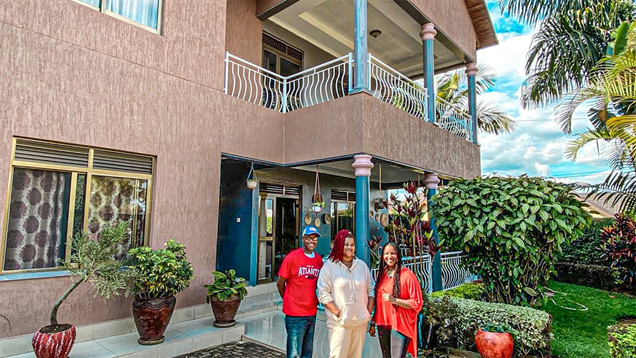
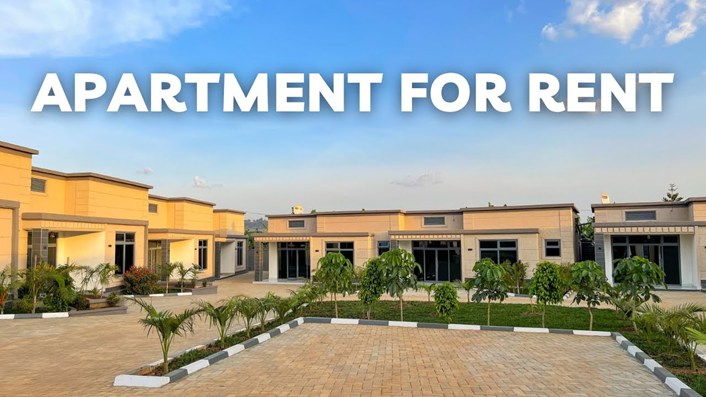
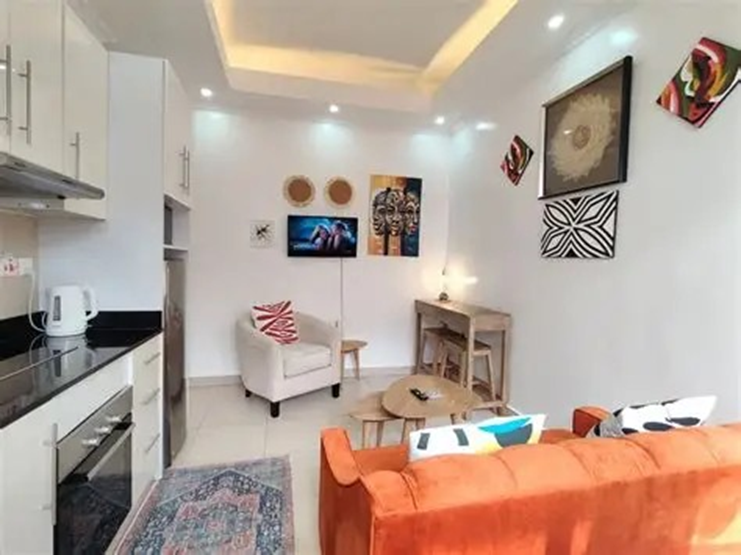
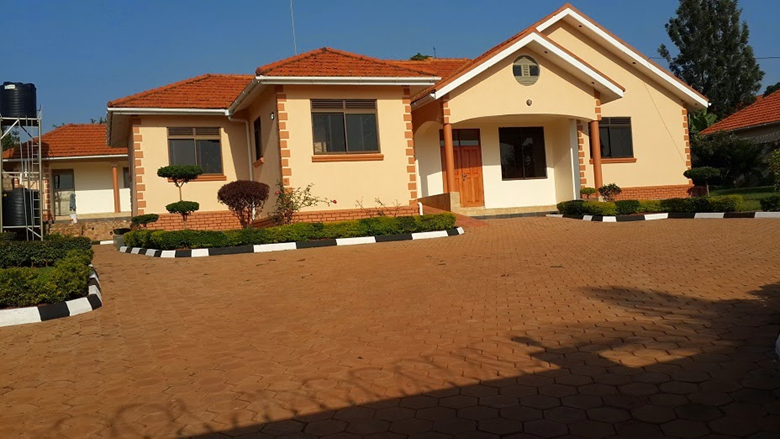
Making the decision to relocate to Kigali is one that an ever-growing number of international professionals, expatriates, development workers, diplomats, entrepreneurs, retirees, and remote workers are making every single year, and it is a decision that every single one of them is glad they made once they experience the extraordinary quality of life that Rwanda's capital city offers. Kigali is widely regarded as one of Africa's most liveable, safest, cleanest, and most forward-thinking capital cities, and the combination of its pleasant highland climate, warm and welcoming people, rapidly improving infrastructure, and genuinely exciting professional and social opportunities makes it a destination that rewards those who choose it with a richness of daily experience that very few cities anywhere in the world can match. However, before making the leap to life in Kigali, every prospective resident needs to answer one foundational practical question with accuracy and confidence: how much does it actually cost to live in Kigali in 2026? At Kigali Apartments, we understand that getting this answer right before you arrive is the single most important preparation you can make, because an accommodation and living cost budget that is based on inaccurate or outdated information can create financial stress and lifestyle disappointment that undermines an otherwise wonderful Rwanda experience from the very beginning. This comprehensive guide covers every major component of the Kigali cost of living in 2026, providing you with the accurate, current, and practically useful budgeting information you need to plan your Rwanda move with clarity and confidence. Accommodation represents the single largest monthly expense for virtually every international resident in Kigali, and understanding the rental price landscape across the city's major neighbourhoods, property types, and amenity levels is the foundation of any realistic Rwanda living cost budget. Our comprehensive guide to the cost of renting an apartment in Kigali provides the most detailed and up-to-date rental price breakdown available online for the Kigali market and should be read in full alongside this broader cost of living guide. The range of rental prices across Kigali in 2026 is wide, reflecting the city's diverse residential geography and the significant variation in property quality, neighbourhood prestige, and amenity provision that characterises the market. At the most accessible end of the rental market, budget-conscious renters can find decent furnished studio and one-bedroom apartments in mid-range Kigali neighbourhoods for between USD 300 and USD 600 per month. Our guide to Kigali apartments under USD 500 per month identifies the specific neighbourhoods and property types where quality accommodation is available within this budget, and our guide to low-cost apartment rentals in Kigali provides additional options at the affordable end of the spectrum. Neighbourhoods like Kimironko and Rusororo are consistently the strongest sources of quality apartments at accessible price points, and our guide to rental apartments in Kimironko and our guide to affordable rentals in Kigali both explore these options in detail. In the mid-range of Kigali's rental market, two-bedroom furnished apartments in well-connected, comfortable neighbourhoods typically rent for between USD 600 and USD 1,200 per month in 2026. This is the price bracket that serves the largest share of Kigali's international resident community, including the majority of NGO and development sector staff, academic researchers, mid-level corporate professionals, and long-term expatriate residents who have made a deliberate decision to balance residential comfort with budget efficiency. Our guide to NGO staff housing in Kigali, our guide to expat-friendly apartments in Kigali, and our expatriate housing guide for Kigali all provide detailed neighbourhood and property guidance within this mid-range price bracket. Featured properties from our current listings portfolio that represent excellent value in this range include the Comfy Apartments and the Fantastic Homes Suite Kigali, both of which offer quality furnishings, professional management, and reliable amenities at competitive price points. At the premium end of Kigali's rental market, three-bedroom and larger apartments and villas in the city's most prestigious neighbourhoods including Kimihurura, Kacyiru, and Nyarutarama range from USD 1,500 to USD 4,000 or more per month depending on the property specification and the range of included amenities. This premium segment serves Kigali's diplomatic community, senior corporate executives, and international residents for whom the highest levels of security, space, and residential quality are non-negotiable. Our guide to diplomatic housing in Kigali and our guide to luxury apartments in Nyarutarama cover this premium segment in detail. Outstanding premium properties available through our listings portal in this category include the Kigali Sunset Villa, the Embassy Access Golf Apartment, and the An Oasis in the Heart of Kigali. Our guide to affordable furnished apartments in Kigali's top neighbourhoods provides a useful comparative overview of what different budget levels can achieve across the city's most popular residential areas. Food costs in Kigali in 2026 present a picture of genuine diversity that offers something for every budget level, from the extremely affordable local Rwandan cuisine available at the city's informal restaurants and market food stalls to the premium-priced imported goods and international restaurant dining that serves Kigali's most affluent international residents. Understanding both ends of this spectrum and the significant range between them is important for any incoming resident building a realistic monthly food budget. Rwanda produces an impressive range of fresh fruits, vegetables, legumes, and grains domestically, and the quality and affordability of locally grown produce at Kigali's markets, including the famous Kimironko Market near our Kimironko apartment listings, is one of the most frequently cited positive surprises for international residents who engage actively with the local food economy. A single person cooking primarily at home using locally sourced ingredients and shopping at Kigali's neighbourhood markets can manage their food budget comfortably on USD 150 to USD 250 per month in 2026. Fresh vegetables, fruits, beans, rice, maize flour, sweet potatoes, and locally produced eggs, dairy, and chicken are all available at very reasonable prices in Kigali's local markets, and a diet built substantially around these locally grown products is not only highly affordable but also nutritious and flavourful. International supermarkets in Kigali, including well-stocked outlets in the Kimihurura and Nyarutarama areas near our Kimihurura apartment listings, carry a broad range of imported products including European cheeses, international wines and spirits, imported breakfast cereals, pasta, canned goods, and international condiments at prices that reflect import costs and customs duties. A household that relies primarily on imported supermarket shopping rather than local markets can expect to spend USD 400 to USD 700 per month on groceries depending on family size and consumption preferences. Dining out in Kigali spans a remarkable price range in 2026. A meal at a local Rwandan restaurant serving the classic local menu of rice, beans, plantain, and grilled meat or fish costs between USD 3 and USD 8 per person, making regular restaurant dining extremely accessible for international residents who embrace the local food culture. Mid-range restaurants serving a mix of Rwandan and international cuisine, including the growing number of excellent Ethiopian, Indian, Lebanese, and fusion restaurants that have established themselves in Kigali, typically charge between USD 15 and USD 30 per person for a full meal with drinks. Premium international restaurants and rooftop dining establishments in Kigali's upmarket districts charge USD 30 to USD 60 per person and above. For residents who entertain frequently or who maintain an active social dining calendar at premium establishments, restaurant costs can become a significant monthly budget line that warrants careful management. A realistic monthly food and dining budget for a single international professional living a comfortable but not extravagant lifestyle in Kigali in 2026 is approximately USD 300 to USD 500 per month including a mix of home cooking and regular dining out. Transport costs in Kigali in 2026 vary considerably depending on the transport mode and frequency of use that characterise an individual resident's daily routine, and understanding the full spectrum of available options helps incoming residents plan this component of their monthly budget accurately. Kigali's public transport network is served primarily by minibus taxis, known locally as matatus or twegerane, which operate on fixed routes across the city and charge fares that are among the most affordable in East Africa. A typical minibus journey within Kigali costs between RWF 300 and RWF 500, equivalent to approximately USD 0.25 to USD 0.40 at current exchange rates, making regular public transport use an extremely low-cost commuting option for international residents who are comfortable using it. A monthly transport budget based primarily on minibus use for daily commuting in Kigali is unlikely to exceed USD 30 to USD 50 per month for a single resident. Motorcycle taxis, known locally as motos, are the fastest and most flexible urban transport option in Kigali and are used extensively by both local and international residents for short journeys, particularly for the final-kilometre connections that are difficult to serve efficiently by minibus. A typical moto journey within Kigali costs between RWF 500 and RWF 2,000 depending on the distance, equivalent to approximately USD 0.40 to USD 1.60. For residents who rely heavily on motos for daily movement, a realistic monthly moto budget might range from USD 50 to USD 150 depending on frequency and distances. Ride-hailing applications are available in Kigali in 2026 and provide a more formalised, metered alternative to negotiated street moto fares, offering greater transparency and predictability for residents who prefer this approach. For residents living in apartments near Kigali Airport, our guide to homes near Kigali Airport for rent specifically addresses the transport cost advantages of airport-proximate neighbourhood residence for frequent international travellers. For international residents who choose to hire a private vehicle for personal use during their Kigali stay, the monthly transport budget increases significantly to reflect the hire rate, fuel costs, and insurance. Private car hire through reputable Kigali rental companies provides the greatest flexibility and convenience for residents whose daily schedule involves multiple destinations, early morning or late-night movements, or regular travel to destinations outside the main minibus network. Residents who commute to offices in areas well-served by public transport and who prefer to use hire vehicles only for weekend excursions and occasional cross-city travel can manage their vehicle-related transport costs at a lower monthly level. For residents living in apartments with dedicated parking facilities, our guide to apartments with parking in Kigali identifies the properties across our portfolio that include secure vehicle parking as a standard amenity, which is an important practical consideration for any resident who owns or regularly uses a vehicle during their Kigali stay. Utility costs in Kigali in 2026 are a meaningful component of the monthly living budget that many incoming residents underestimate because they assume utilities in a developing country will be negligible. In reality, Kigali's utility costs, while lower than those in Western European or North American cities, are not trivial and should be budgeted for carefully. The structure of utility costs also depends significantly on whether the apartment is serviced with utilities included in the monthly rent or whether the tenant is responsible for paying utilities separately, which is why our guide to serviced apartments in Kigali and our guide to furnished rentals in Kigali both address the utility payment structure as an important factor in the total cost comparison between different property types. Electricity in Rwanda is supplied by the Rwanda Energy Group and billed through a prepaid metering system in most residential properties. The cost of electricity in Kigali in 2026 is modest for consumption within the lower subsistence bands but increases progressively at higher consumption levels, meaning that households with heavy air conditioning use, multiple appliances, and large living spaces face meaningfully higher monthly electricity bills than frugal single-occupant apartments. A single professional's monthly electricity cost in a one-bedroom apartment with moderate air conditioning use and standard appliance loads is typically in the range of USD 30 to USD 70 per month. Larger households with multiple occupants and heavier appliance use should budget USD 80 to USD 150 per month for electricity. The Rwanda Utilities Regulatory Authority publishes the current electricity tariff schedule and provides authoritative information on utility connection and billing for all residential tenants across Rwanda. Most modern apartment complexes in the neighbourhoods covered by our Kigali Apartments listings also include backup generator or solar systems whose fuel or maintenance costs may be reflected in the monthly service charge rather than being billed directly to the tenant. Water costs in Kigali are generally modest, with the city's water supply managed by the Water and Sanitation Corporation (WASAC) through metered connections in most modern residential properties. A typical monthly water bill for a single occupant in Kigali is between USD 10 and USD 25, rising to USD 30 to USD 60 for larger households with higher consumption. Internet connectivity in Kigali has improved dramatically in recent years and is now genuinely fast and reliable by international standards in most parts of the city, particularly in the modern apartment complexes and serviced buildings that make up the majority of our portfolio. Monthly internet subscription costs for residential broadband in Kigali in 2026 range from approximately USD 30 for basic packages to USD 80 to USD 120 for premium high-speed packages with guaranteed uptime. Many modern furnished apartments include internet as a standard amenity within the monthly rent, eliminating the need for a separate subscription, and our guide to move-in-ready apartments in Kigali specifically identifies internet provision as one of the key amenity criteria to verify before signing any rental agreement. Rwanda has made extraordinary progress in healthcare infrastructure and access over the past two decades, and Kigali in 2026 offers a range of healthcare facilities and services that compare very favourably with other African capitals and that are accessible to international residents at costs that, while not negligible, are generally significantly lower than equivalent services in Western countries. Understanding the healthcare landscape and budgeting appropriately for both routine and unexpected medical needs is an important part of any comprehensive Kigali cost of living plan, particularly for residents who are arriving without employer-sponsored health insurance cover. International health insurance is strongly recommended for all international residents in Kigali, particularly for coverage of hospitalisation, specialist treatment, medical evacuation, and dental care, which represent the highest-cost medical scenarios that expatriates in Rwanda face. The monthly cost of a comprehensive international health insurance policy for a single adult in Kigali in 2026 ranges from approximately USD 100 to USD 250 per month depending on the insurer, the level of coverage, the age of the insured, and whether the policy includes medical evacuation and global coverage or is limited to in-country treatment. For families and couples, the combined monthly premium obviously scales accordingly. Many international organisations, diplomatic missions, and multinational corporations that post staff to Rwanda provide employer-sponsored health insurance as part of the overall compensation package, eliminating or significantly reducing this cost for employees. Independent professionals, entrepreneurs, and retirees who are responsible for their own insurance should factor this cost carefully into their Kigali budget planning. Our guide to retirement homes in Kigali specifically addresses healthcare access and insurance considerations for retirees relocating to Rwanda, and our broader expat-friendly apartments guide discusses the proximity to healthcare facilities as an important neighbourhood selection criterion for international residents with specific medical needs. For expatriate families relocating to Kigali with school-age children, the cost of international schooling represents one of the most significant and most variable components of the monthly living budget. Kigali offers a genuine range of international schooling options in 2026, including schools offering British, American, International Baccalaureate, and French curricula, as well as several well-regarded Rwandan schools that deliver instruction in English and that are increasingly selected by international families who want their children to be educated alongside Rwandan peers in a genuinely integrated social environment. Annual tuition fees at Kigali's established international schools range from approximately USD 8,000 to USD 20,000 per year per child, which translates to a monthly education cost of approximately USD 670 to USD 1,670 per child. For families with multiple school-age children, this can represent the second largest budget line after accommodation, and families arriving in Kigali should research school options, fees, and availability as early as possible before their arrival date, as the most popular international schools can have waiting lists that require advance planning. Many international organisations and diplomatic missions include an education allowance in their posting packages specifically to cover international school fees, and families arriving under such arrangements should confirm the full terms and limits of their education allowance before making school commitments. For families selecting their Kigali apartment neighbourhood with school proximity in mind, our neighbourhood guides for Kimihurura, Kacyiru, and Kimironko all address school proximity as a relevant factor in each neighbourhood's residential profile. One of the most pleasant surprises for many international residents arriving in Kigali in 2026 is the richness, diversity, and accessibility of the city's entertainment, leisure, and social scene. Kigali has transformed remarkably as a social and cultural destination over the past decade, and the city now offers a quality and variety of dining, nightlife, cultural events, sporting activities, and recreational opportunities that rivals many cities of similar size in Europe and Asia. The cost of participating in this social scene is generally moderate by international standards, with meaningful options available at every budget level from the very affordable to the premium. A cinema ticket in Kigali costs approximately USD 5 to USD 10. Gym membership at a well-equipped fitness centre ranges from USD 40 to USD 80 per month. Entry to Kigali's most popular nightlife venues varies from free entry to approximately USD 10 to USD 20 on premium event nights. Regular attendance at Kigali's growing cultural events calendar, including art exhibitions, live music performances, food festivals, and community markets, is frequently free or involves very modest entry costs. Rwanda's national football and basketball leagues provide affordable live sports entertainment for sports enthusiasts throughout the year. The growing community of international residents in Kigali has also given rise to a rich network of sporting clubs, professional networking groups, language exchange communities, and social organisations that provide cost-effective ways to build a social life from the earliest days of a Rwanda posting. The official Visit Rwanda portal maintains a comprehensive calendar of cultural and recreational events in Kigali that is useful for residents as well as visitors, and our guide to expat-friendly apartments in Kigali discusses the leisure and social infrastructure available in each of the city's major residential neighbourhoods as part of its neighbourhood lifestyle assessment. For residents who value access to Kigali's outdoor recreational opportunities, which include day trips to the shores of Lake Muhazi, weekend excursions to the Nyungwe Forest canopy walk, gorilla trekking in Volcanoes National Park, and game drives in Akagera National Park, the monthly budget for leisure travel within Rwanda should be factored in as a meaningful but deeply rewarding expense. The cost of a gorilla trekking permit in Volcanoes National Park is USD 1,500 per person per trek, which is a significant one-off expenditure that many long-term Kigali residents undertake at least once during their posting. Weekend getaways to Lake Kivu, including transport and accommodation, typically cost between USD 150 and USD 400 per person depending on the standard of accommodation chosen. Day trips to Akagera National Park cost approximately USD 40 to USD 100 per person including park entrance fees and transport. These leisure expenditures are not monthly fixed costs but should be budgeted for as part of the overall annual cost of living in Rwanda for residents who want to make the most of the extraordinary country in which they are living. One of the most significant differences between life in Kigali and life in most Western countries is the widespread availability of affordable domestic staffing services that can substantially reduce the time demands of household management and dramatically improve the quality of daily residential life. Many international residents in Kigali employ a household helper or housekeeper, a gardener for properties with outdoor spaces, a night guard for residential security, or some combination of these roles, and the monthly cost of these staffing arrangements is generally far more accessible in Kigali than in any Western city. Understanding the market rates for domestic staff in Kigali in 2026 and the legal and social obligations associated with employing household staff in Rwanda is an important practical consideration for residents who are considering this approach to household management. Drawing together all the cost categories covered in this guide allows us to construct realistic monthly budget estimates for different international resident profiles in Kigali in 2026. These estimates are structured around three broad lifestyle levels that correspond to the three main segments of Kigali's international resident community, and they are intended to provide a practical starting framework for personal budget planning that each individual can adjust based on their specific circumstances, preferences, and priorities. A budget-conscious single professional living in a comfortable but modest one-bedroom furnished apartment in a well-connected mid-range neighbourhood such as Kimironko or Rusororo, cooking primarily at home with local ingredients, using public transport and motos for daily commuting, and maintaining an active but cost-conscious social life can live comfortably in Kigali in 2026 for a total monthly budget of approximately USD 900 to USD 1,400. Within this total, rent might account for USD 350 to USD 600, food and dining for USD 200 to USD 350, transport for USD 50 to USD 100, utilities for USD 60 to USD 100, health insurance for USD 100 to USD 150, and entertainment and miscellaneous expenses for USD 100 to USD 200. Our affordable rentals guide and our apartments under USD 500 guide are the most relevant property resources for residents planning within this budget framework. A mid-range lifestyle for a professional couple or a single professional living in a quality two-bedroom furnished apartment in a well-regarded neighbourhood such as Kacyiru or Kimihurura, with a mixed cooking and dining-out food approach, regular use of ride-hailing and private transport alongside public transport, a comprehensive social and leisure calendar, and domestic cleaning support, requires a total monthly budget of approximately USD 2,500 to USD 4,000. Within this total, rent typically accounts for USD 900 to USD 1,800, food and dining for USD 400 to USD 700, transport for USD 150 to USD 300, utilities for USD 100 to USD 200, health insurance for USD 150 to USD 300, domestic staff for USD 150 to USD 250, and entertainment and miscellaneous for USD 300 to USD 500. Our expat-friendly apartments guide, our Kimihurura listings, and our Kacyiru listings are the primary property resources for residents planning within this mid-range budget framework. A premium lifestyle for a senior executive, diplomat, or high-net-worth resident living in a large furnished villa or luxury apartment in Kimihurura, Nyarutarama, or an equivalent premium neighbourhood, with full domestic staffing, frequent premium restaurant dining, comprehensive private healthcare cover, regular leisure travel within Rwanda and internationally, and the full range of Kigali's premium social amenities, requires a total monthly budget of USD 6,000 to USD 15,000 or more depending on family size and specific lifestyle choices. Our diplomatic housing guide, our luxury apartments Nyarutarama guide, and our premium property listings including the Kigali Sunset Villa, the Embassy Access Golf Apartment, and the Nobilis Hotel and Apartments are the most relevant resources for residents planning within this premium lifestyle framework. Having invested the time and care required to build an accurate and comprehensive Kigali cost of living budget, the next step is translating that budget into the right apartment choice for your specific situation, and that is precisely where the expertise and resources of Kigali Apartments become most valuable. Our team combines deep knowledge of Kigali's rental market across all neighbourhoods and all price points with a genuine understanding of the practical needs, lifestyle priorities, and budget constraints of the international tenant community we serve, and this combination allows us to match tenants with properties that genuinely fit their requirements rather than simply presenting a generic list of available listings. Our services page describes our full apartment search and matching, guided tour, and rental agreement facilitation offering in detail, and our About Us page explains the values and the vision that guide everything we do.Cost of Living in Kigali in 2026: Everything You Need to Budget Before Your Move to Rwanda
Accommodation Costs in Kigali 2026: The Largest Item in Your Rwanda Budget
Food and Grocery Costs in Kigali 2026: Eating Well on Every Budget
Transport Costs in Kigali 2026: Getting Around the City on Your Budget
Utility Costs in Kigali 2026: Electricity, Water, and Internet
Healthcare Costs in Kigali 2026: Staying Healthy on Your Rwanda Budget
Education Costs in Kigali 2026: Schooling for Expatriate Families
Entertainment, Leisure, and Social Life Costs in Kigali 2026
Household Staff and Domestic Services Costs in Kigali 2026
A Complete Monthly Budget Summary for Kigali Rwanda in 2026
How to Find the Right Apartment for Your Kigali Budget with Kigali Apartments

Popular Properties



Top Categories
- Apartment Living in Kigali (20)
- Hotels, Villas & Lodges in Kigali (16)
- Eco-Friendly & Smart Living (15)
- Real Estate Market Insights (15)
- Neighborhood Spotlights (12)
- Short-Term & Long-Term Stays (10)
- Interior Design & Apartment Decor (9)
- Renting Tips & Tenant Advice (7)
- Kigali Travel & Relocation Guides (6)
- Maintenance & Apartment Care (3)